Dreaming about a mountain getaway near the slopes is the fun part. Knowing how a second home in the Purgatory Resort area actually works, from HOA rules to snow removal to rental setup, is what helps you buy with confidence. If you are thinking about a condo, townhome, cabin, or even land near Purgatory, this guide will walk you through the practical details that matter most before you write an offer. Let’s dive in.
Why Purgatory appeals to second-home buyers
Purgatory is a year-round mountain resort about 25 miles north of Durango. The resort reports about 260 inches of snow each year, which helps explain why many buyers focus on easy access, winter maintenance, and how a property performs in every season.
For many second-home buyers, the appeal is simple. You get a resort setting with mountain recreation nearby, plus access to Durango for dining, shopping, and travel connections. The resort says it is about a 30-minute drive from downtown Durango and roughly 50 minutes from La Plata County Airport.
That said, buying here is not just about location. In the Purgatory Resort area, your ownership experience is shaped by a mix of HOA structure, special district services, utilities, and possible rental rules.
Property types in the Purgatory area
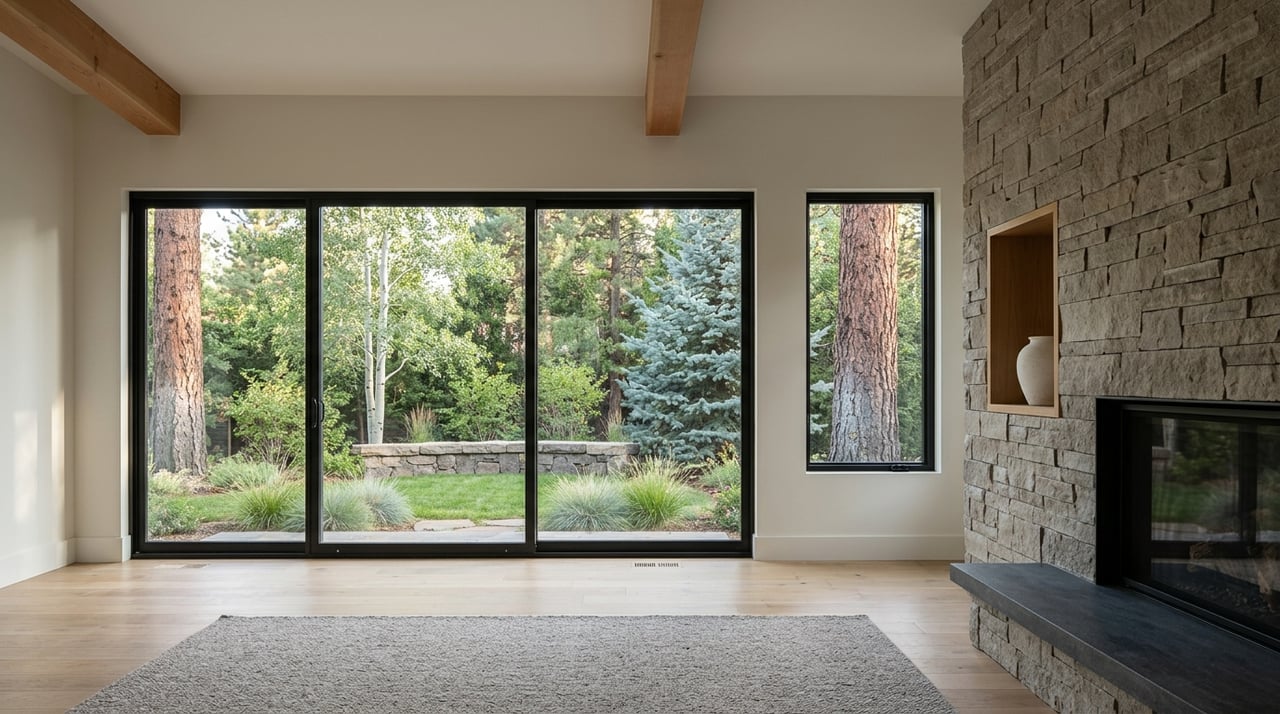
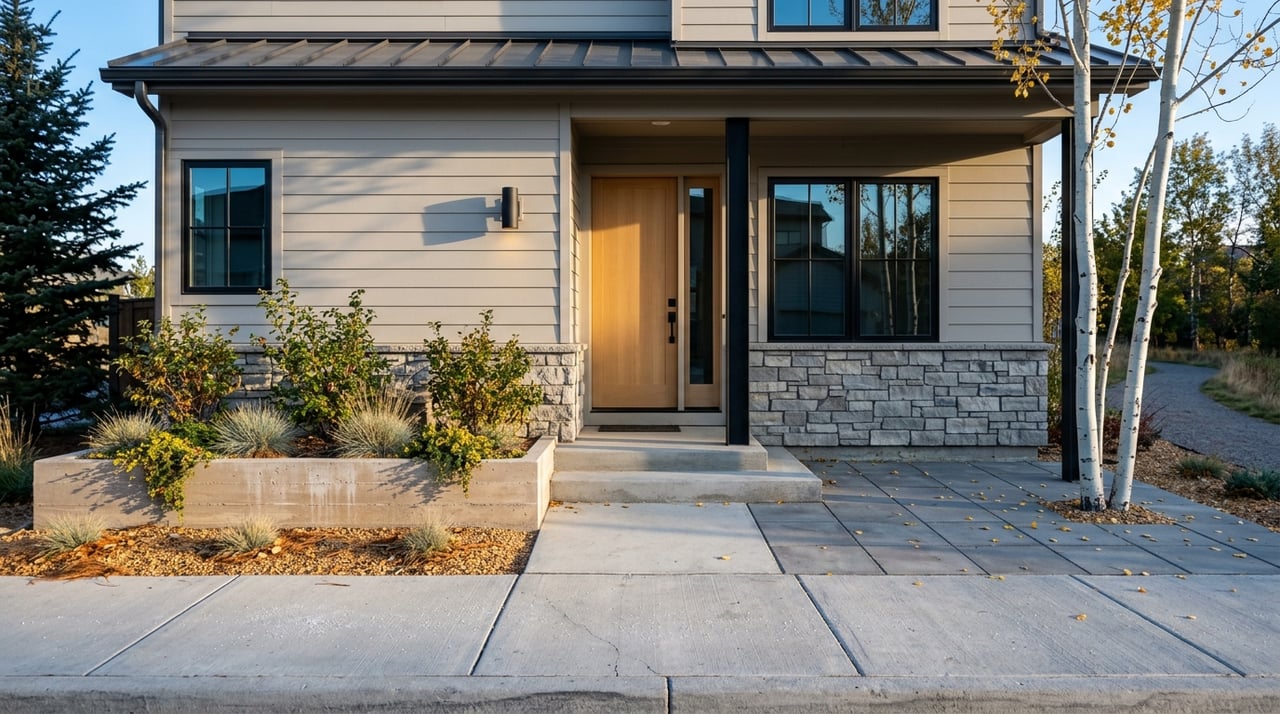
The housing mix around Purgatory gives you several paths depending on how you plan to use the home. According to the DMMA association overview, the resort includes property types ranging from historic condominiums to modern townhomes.
That variety can be a real advantage. If you want lower-maintenance ownership close to resort activity, a condo may fit. If you want more space or a layout that feels more like a private retreat, a townhome or detached home may be worth a closer look.
If you are considering land or a custom build in unincorporated La Plata County, the process becomes more involved. You may need driveway permits for safe access, and if the property will use on-site wastewater, there are separate county permit and transfer requirements to review.
Start with the ownership structure
One of the biggest things to understand is that not every property works the same way. The Durango Mountain Master Association, or DMMA, is the master homeowners association for Purgatory Resort, and its association list includes communities such as Alpenglow, Angel-Haus, Black Bear, ElkPoint, Kendall Mountain, Peregrine Point, Purgatory Lodge, and Village Center.
DMMA says buyers must purchase a previously annexed property or annex their property into the association to become members. That makes annexation status an important early question, especially if you expect certain amenities or access to come with ownership.
You will also want to confirm what transfers with the property. DMMA notes that the Durango Mountain Club includes private dining, a gym, pool, and hot tub, while rental guests may have access to some amenities with restrictions that can apply.
HOA rules can vary by building
In the Purgatory area, it is smart to avoid broad assumptions. Public association pages show that rules can be building-specific, including pet policies and parking rules.
That matters because two units that look similar on paper may come with very different day-to-day ownership expectations. If you plan to bring pets, host guests, or rent the home, those details should be checked before you get too far into a deal.
DMMA’s resource center includes governing documents, budgets, assessment schedules, insurance information, board materials, and other operational documents. For buyers, that makes the HOA portal one of the most important due diligence stops before closing.
Winter access and snow planning
Mountain ownership comes with mountain logistics. The resort says it offers free homeowner and parking-lot shuttles from 8 a.m. to 5 p.m. during mountain operations, which can be useful if you want to get around the resort area without moving your car.
Still, road access in winter deserves serious attention. CDOT has issued winter maintenance and safety closures on US 550 between Purgatory and Silverton and on the corridor north of Durango during snow and avalanche events, so occasional delays or temporary interruptions are part of the reality.
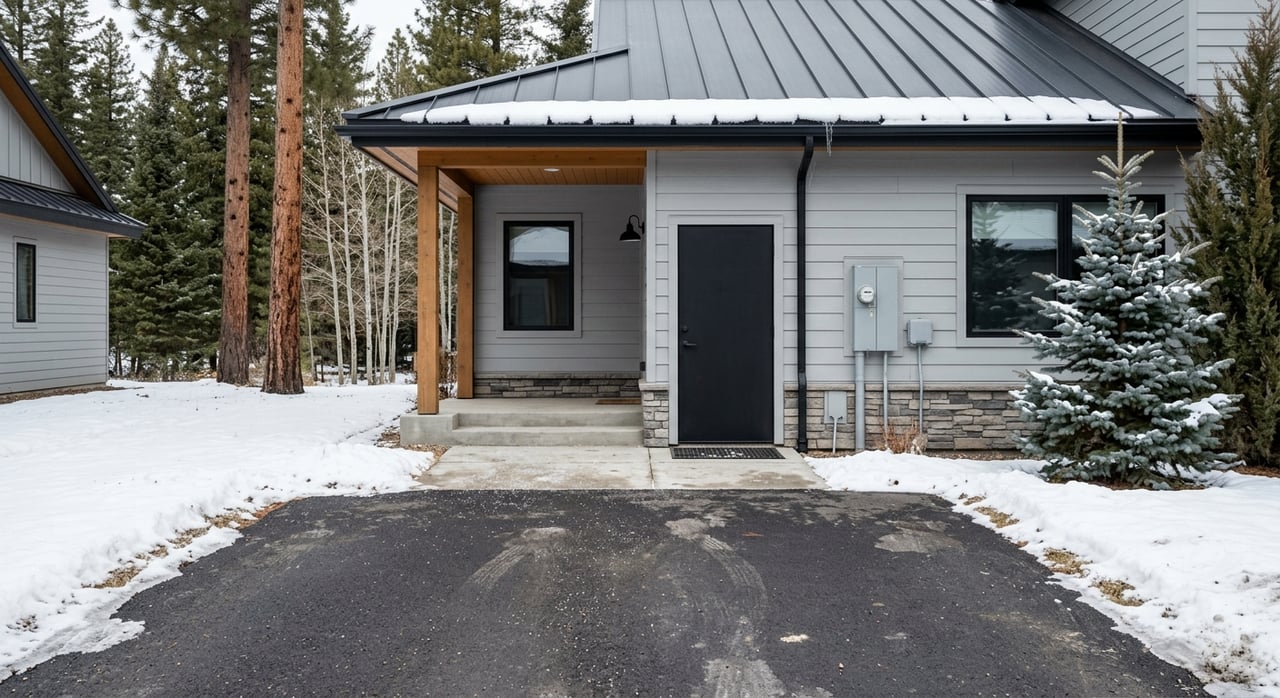
Snow removal responsibilities are also worth clarifying before you buy. Purgatory Metro says it handles road maintenance and snow removal on district roads, but homeowners remain responsible for their own driveways and parking areas, and parking on district roads is unlawful.
Utilities are part of the buying decision
Second-home buyers often focus on views, floor plans, and rental potential first. In the Purgatory area, utility setup deserves equal attention because services can vary by property and building.
DMMA’s buyer portal lists utility contacts for propane and communications, water and sewer, and electric service. DMU says it provides propane, internet, and cable TV at the resort, and its FAQ notes that some buildings use centrally managed Wi-Fi while others use cable modem service.
That means you should verify exactly how internet and communication service work at the specific property you are considering. If you plan to work remotely, stream often, or support guest stays, this is not a detail to leave for later.
Water, sewer, and EQR billing
Purgatory Metro provides central water and wastewater services in the resort area. The district also announced that water and sewer rates increased 4% effective May 1, 2026.
Just as important, the district reminded owners that not all properties have only one EQR. In practical terms, that means a unit’s billing may not be as simple as you expect, so you should review water and sewer charges unit by unit during due diligence.
When you compare properties, ask for current utility statements and confirmation of any special charges. This can help you understand your true cost of ownership instead of relying on rough estimates.
If you plan to rent the property
A second home near a resort often raises one big question: can it also work as a rental? In Colorado, any rental of a lodging unit for less than 30 days is defined as a short-term rental, and counties can regulate short-term rentals while private HOA covenants and contracts can regulate them too.
In other words, rental use is not just a yes-or-no question. You need to confirm what state tax rules apply, what HOA rules apply, and what building-specific procedures may apply before you count on rental income.
DMMA’s internal document list includes a Unit Rental Registration Form and a Rental Revenue Reporting Form. That is a strong sign that if you want to rent a property in certain parts of the resort, you should verify the registration and reporting steps early in the process.
Rental taxes and reporting basics
Colorado Department of Revenue guidance says anyone offering rooms or accommodations for rent must obtain a sales tax license and collect sales tax on taxable rentals. The department also notes that rentals to a permanent resident for at least 30 consecutive days may be exempt under certain circumstances.
The same guidance explains that marketplace facilitators may collect and remit applicable state and state-administered taxes, including county lodging tax and local marketing district tax where applicable. Even so, you should confirm how your planned rental setup will be handled before you close.
If you are exploring the resort’s rental pool, Purgatory’s materials say the resort supports rental guests with a 24-hour front desk plus year-round marketing, sales, and events support. That may appeal to buyers who want a more structured guest-facing operation, but you still need to compare it against the property’s HOA and use restrictions.
Budget for wildfire readiness and insurance
Owning in a mountain setting means your budget should go beyond mortgage, dues, and utilities. La Plata County’s wildfire preparedness code emphasizes reducing wildfire exposure to life and structures, which makes mitigation and insurance important planning items.
This is especially relevant for detached homes, cabins, and land purchases, but condo and townhome buyers should still ask questions about insurance coverage, association responsibilities, and any owner obligations. A good buying decision looks at both the purchase price and the long-term carrying costs.
Smart questions before you write an offer
The right second home is not just the one with the best photos. It is the one that matches how you actually plan to use it.
Before you write an offer in the Purgatory Resort area, make sure you verify these points:
- Is the property already annexed into DMMA?
- What amenities transfer with ownership?
- What are the current HOA dues, assessments, and insurance details?
- What are the rental, pet, and parking rules for that specific building or community?
- How is the unit billed for water and sewer, including any EQR-related charges?
- Who is responsible for driveway, parking area, and walkway snow removal?
- How do propane, internet, cable, water, sewer, and electric service work at that property?
- If you plan to rent it, what registration, tax, and revenue-reporting steps apply?
- If you are buying land or building, what driveway, OWTS, and wildfire-related requirements apply?
Why local guidance matters
Buying a second home in the Purgatory area can be rewarding, but it also comes with more moving parts than a typical in-town purchase. The details that matter most are often specific to the unit, building, district, or parcel.
That is where calm, local guidance can make a big difference. When you understand the ownership model, operating costs, winter realities, and rental rules before you commit, you are far more likely to end up with a property that fits your goals instead of surprising you later.
If you are considering a second home near Purgatory and want straightforward advice on condos, townhomes, homes, or land in the area, reach out to Jeremy Deas. You will get honest guidance, local insight, and responsive support from start to finish.
FAQs
What should second-home buyers verify about a Purgatory HOA?
- You should verify whether the property is annexed into DMMA, what amenities transfer with ownership, and the current dues, assessments, insurance information, rental rules, pet policies, and parking rules for that specific building or community.
What should second-home buyers know about snow removal in the Purgatory Resort area?
- Purgatory Metro says it maintains district roads and performs snow removal on those roads, but homeowners are responsible for their own driveways and parking areas, and parking on district roads is not allowed.
What should second-home buyers know about utilities in the Purgatory Resort area?
- You should confirm the exact utility setup for the property, including propane, internet, cable, electric, and water and sewer service, because some buildings use centrally managed Wi-Fi while others use cable modem service.
What should second-home buyers know about short-term rentals in the Purgatory area?
- In Colorado, rentals of less than 30 days are considered short-term rentals, and both county rules and private HOA covenants may affect whether and how you can rent the property.
What should second-home buyers know about water and sewer billing in Purgatory?
- Purgatory Metro states that water and sewer rates increased 4% effective May 1, 2026, and not every property has just one EQR, so buyers should review billing details for the exact unit they are considering.
What should land buyers know before building near Purgatory Resort?
- If you are buying land or planning a custom build in unincorporated La Plata County, you may need a driveway permit, and if the home uses on-site wastewater, there are separate OWTS permit and transfer requirements to review.