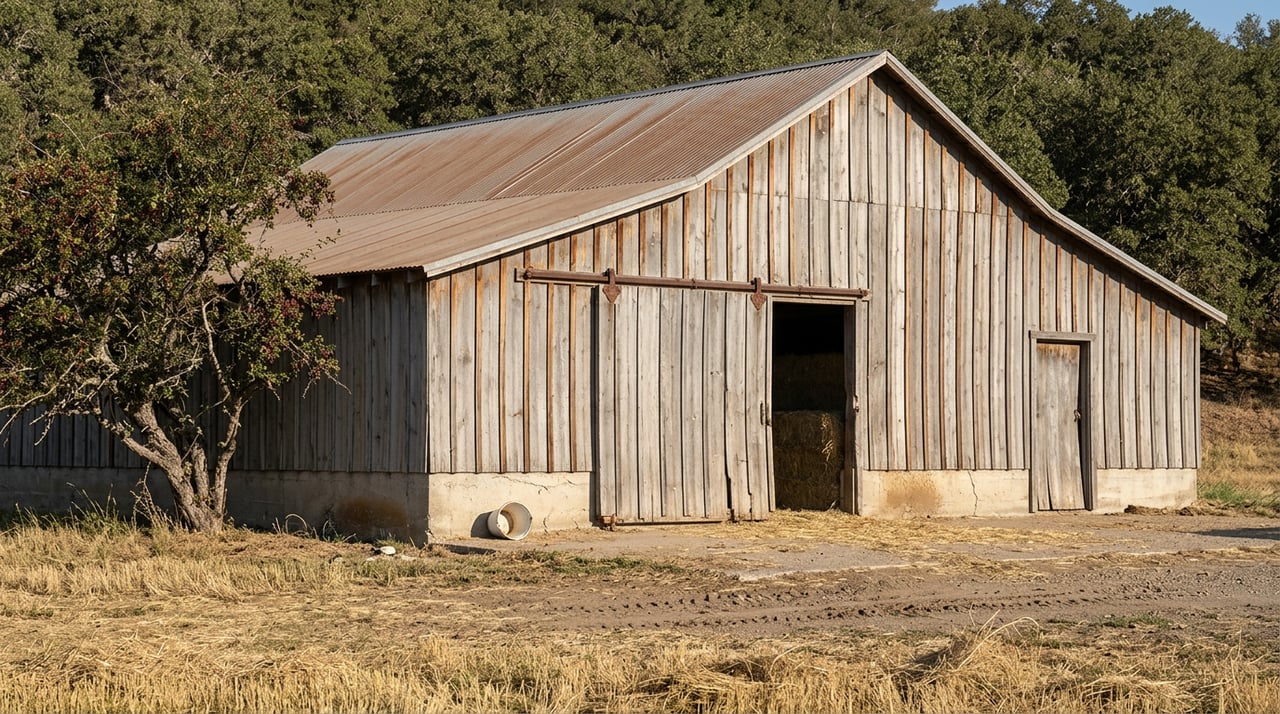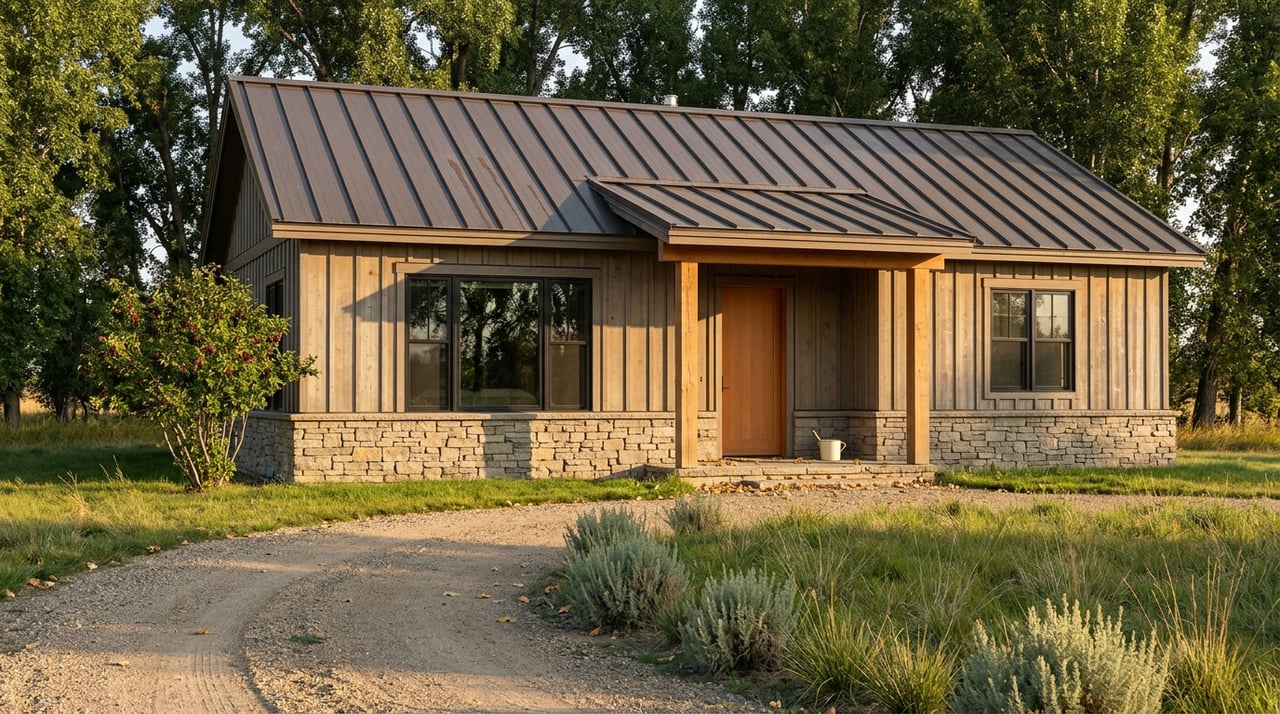
Why would a house with no city water line, no sewer connection, and a half mile of gravel before you hit pavement sell for more than a comparable home two miles south with both utilities already run to the curb?
That is exactly what happened across La Plata County in 2025. Country homes closed at a median of $930,000, up from $845,000 the year before, while in-town Durango's median actually fell 8.5% to $850,000, its first annual drop since 2017, according to year-end figures the Durango Area Association of Realtors released and the Durango Herald reported in January 2026. By the second quarter of 2026, in-town prices had jumped again, up 12.8% year over year to a median of $901,500, while rural prices sat nearly flat and even slipped slightly from the first quarter. The gap between the two markets narrowed, but it didn't disappear.
If you assumed rural land costs more simply because there's more of it, that's only half the story. In Animas Valley, the premium is mostly paying for something that never shows up in the square footage: a private well, a septic system, and often a share of an irrigation ditch older than the subdivision itself. None of that infrastructure appears on the checklist an in-town buyer uses, and starting this spring, the rules governing two of those three systems changed in ways that catch buyers off guard at the worst possible time, right before closing.
The Land Isn't What You're Paying For
An in-town Durango closing rarely mentions water or wastewater. You sign, the meter transfers, the sewer bill shows up with your name on it. Done.
A typical Animas Valley closing looks different. Before the deed changes hands, someone usually has to produce or verify:
- A well permit and completion report on file with the state
- A septic inspection and permit history with La Plata County Public Health
- Documentation of any irrigation ditch shares attached to the parcel, and confirmation that those shares transfer with the sale
That paperwork isn't a formality. It's the difference between buying a house and buying a small private utility system that happens to have a house on top of it.
| In-Town Durango | Animas Valley (Rural) | |
|---|---|---|
| Water source | City main | Private well |
| Wastewater | City sewer | On-site septic (OWTS) |
| Pre-sale inspection required | No | Usually yes |
| Additional closing document | None | Well log, septic permit, often ditch share transfer |
The County Just Rewrote the Septic Rulebook
If your Animas Valley property is served by a septic system, and most are, you're now operating under rules that didn't exist five months ago. La Plata County Public Health's Board of Health adopted new on-site wastewater treatment regulations that took effect March 2, 2026, replacing the old Transfer of Title program with something called the Continued Use Permit.
The mechanics are straightforward once you know them. A licensed, third-party inspector, certified through the National Association of Wastewater Technicians, has to verify the system is functioning and matches its permit on file. The county reviews the inspection and any existing permits, and if everything checks out, issues an Acceptance Document for a $110 fee, typically within five business days. That document is good for twelve months. If the system fails or doesn't match its permit, the current owner has to pull a repair permit before the sale can close as planned, which is a schedule risk almost nobody budgets for when they write an offer.
La Plata County Public Health has also been direct about a related issue that doesn't get much attention in listing conversations: local geology means a meaningful share of wells across the county show elevated metals or minerals, and the department recommends testing private wells annually for nitrate and coliform bacteria at minimum. A septic system in compliance and a well with clean water are two separate questions, and Animas Valley buyers need answers to both before they sign anything.
What a Well Permit Actually Lets You Do
A well isn't just a hole with water in it. It's a permit with conditions attached, and those conditions vary by parcel size and how the water is legally allowed to be used.
In Colorado, parcels of roughly 35 acres or larger generally qualify for a household-use well permit that also covers fire protection and limited livestock watering. Smaller parcels often face tighter restrictions on what that water can be used for, and a well permitted strictly for household use may not legally cover a large garden, a new lawn, or an irrigated pasture. That distinction matters if your plans for the property go beyond the house itself.
Locally, according to Animas Well Drilling, most domestic wells in the Durango area run between 150 and 600 feet deep, and wells in the Animas and Pine River basins typically produce 5 to 15 gallons per minute, though fractured bedrock zones can deliver more. A low-yield well that's adequate for one household can struggle under heavier daily demand, which is worth confirming with a flow test rather than assuming the well that served the last owner will serve you the same way.
The Ditch in the Corner Isn't Just Scenery
Plenty of Animas Valley parcels carry a share of water in a mutual ditch company, and that share comes with obligations most buyers never think to ask about until they've already closed.
Take the Animas Consolidated Ditch, one of the valley's older mutual ditch companies. Its posted rules specify that sixteen shares equal one cubic foot per second of water, so a single share works out to roughly 28 gallons per minute, about what two garden hoses running at once would deliver. Shareholders with fewer than four shares aren't entitled to their own headgate and instead pump or siphon their water. And the company asks that no permanent structures go up within 50 feet of the ditch, and no trees, gardens, or pumps sit within 30 feet of the centerline, without notifying the ditch board first. If your plans for the back forty include a fence line, a shed, or a vegetable garden, that setback is worth checking before you draw up plans, not after.
Other valley parcels draw from different systems entirely. Land in the South Animas Valley, for instance, is often served by the Citizens Animas Ditch rather than the Animas Consolidated Ditch, so the shares, the rules, and the reliability of delivery aren't interchangeable from one property to the next. Confirming which ditch serves a specific parcel, and that the seller's shares actually transfer at closing, is not something a general home inspection covers.
Colorado law also puts real obligations on both sides of a ditch easement. Ditch owners have a legal right to enter neighboring property to inspect, maintain, and repair their ditch, and property owners burdened by a ditch are expected to allow that access even without a detailed easement description in their own deed.
Building the Timeline
A rural Animas Valley purchase runs on a longer clock than an in-town one, and the county's new septic process is part of why. A realistic sequence looks like this:
- Request the well completion report and any existing septic permits from La Plata County Public Health as soon as you're under contract, not after inspections.
- Schedule a NAWT-certified septic inspector and a well flow test early. Both can book out, especially in the summer selling season.
- Contact the relevant ditch company directly to confirm share ownership and the process for transferring shares to a new owner.
- Build a buffer into your closing timeline for the county's five-business-day Acceptance Document turnaround, plus additional time if a repair permit turns out to be necessary.
Skipping any one of these steps doesn't just create a paperwork headache. It can push a closing date by weeks.
What the Premium Is Actually Buying
Put the numbers back together and the picture gets clearer. In 2025, rural country homes across La Plata County closed about $80,000 above in-town Durango homes on a median basis. That gap wasn't landscaping or lot size alone. It reflected a well, a septic system, and often water rights that took time, permitting, and money to establish, all of which the seller had already absorbed and priced into the deal.
In 2026, in-town prices are catching up fast, up 12.8% year over year in the second quarter while rural prices held close to flat. The gap is narrowing, which tells you in-town scarcity is doing real work on price right now. But it hasn't erased the fact that a rural Animas Valley property still comes with ownership responsibilities, and ownership costs, that an in-town buyer never has to think about. The premium you're paying isn't for privacy or acreage on its own. It's for infrastructure you're about to become personally responsible for maintaining.
A Few Questions Before You Sign
Do I need to test my well water every year? La Plata County Public Health recommends annual testing for nitrate and coliform bacteria at minimum, and additional testing for anything that's shown up elevated in past results. Given the documented mineral and metals issues in some local wells, this isn't optional caution, it's basic maintenance.
What happens if the septic system fails its pre-sale inspection? The current owner has to apply for a repair permit and fix the issue before the Continued Use Permit can be issued. If timing doesn't allow for that before closing, the parties can sometimes work out a conditional transfer agreement, but that's a negotiation, not a guarantee.
Can I use my domestic well to irrigate a garden or pasture? It depends entirely on what the permit allows. A well permitted for household use only doesn't automatically cover irrigation or livestock watering beyond limited domestic use. Check the permit's stated use before you plan a garden that depends on it.
If you're weighing a purchase in Animas Valley, or getting a valley property ready to list, these are exactly the details worth sorting out before they become a surprise at the closing table. SWCO Home Sales works this valley regularly and can walk you through the well, septic, and water rights questions specific to the parcel you're looking at, well before you're staring down a five-day countdown with a moving truck already booked.