Ever wish you could step out your front door and be on a river trail, at a coffee shop, or seated for dinner in minutes? If you’re considering a move to Durango, living in the central, in-town area offers exactly that kind of daily rhythm. You get an energetic small-city core, local businesses, and easy access to outdoor recreation. In this guide, you’ll learn what day-to-day life looks like, the housing options you’ll find, and the key trade-offs to consider so you can decide if in-town Durango fits your lifestyle. Let’s dive in.
In-town Durango at a glance
“In-town” typically means the compact area around Main Avenue, the Animas River and River Trail, and the surrounding residential blocks within about 0.5 to 2 miles of downtown. You’ll see a mix of historic homes, infill townhomes and condos, and a lively commercial corridor. The Durango & Silverton Narrow Gauge Railroad terminal anchors the downtown scene and adds a steady hum of activity.
Daily life here leans walkable. Many residents handle coffee runs, casual dining, fitness classes, and small errands on foot or by bike. Larger grocery trips or commutes outside the core still often involve a car. If you value convenience and a strong local identity, this area delivers.
Walkability and daily errands
Central Durango supports a high level of walkability for everyday needs. Coffee shops, cafes, independent retailers, and services cluster on and just off Main Avenue. The Animas River Trail offers a pleasant car-free connection between neighborhoods, parks, and downtown.
As you move toward the edges of the city, walkability tapers off. You may still walk for dining and errands, but plan for a car to reach big-box stores or jobs outside the core. Local transit serves the area, and bike commuting is common along key corridors.
Food, coffee, and shopping
Downtown has a year-round dining scene that picks up even more during warmer months with patio seating. You’ll find independent restaurants, breweries, and a robust coffee culture, including roasters and student-friendly spots near Fort Lewis College.
Shopping focuses on outdoor-gear stores, boutiques, galleries, and daily essentials. Larger-format retail and bigger grocery options are usually a short drive away from the very center. If you like to support local businesses, you’ll have plenty of options.
Culture and community events
Life in the core blends resident routines with seasonal buzz. The Durango & Silverton railroad schedule shapes the rhythm of downtown. Signature events, like winter’s Snowdown festival and seasonal farmers markets and arts gatherings, bring residents together.
Fort Lewis College adds cultural and educational programming, public lectures, and an upbeat college-town feel. You can curate a full calendar without straying far from home.
Schools and childcare
Durango School District 9-R serves in-town neighborhoods, and Fort Lewis College is nearby for higher education. Many central homes are within a short walk or drive to elementary and middle schools.
If schools are a priority, verify current boundary maps, enrollment capacity, and performance data with district and state resources. Childcare is available through private preschools and family providers, though capacity can be tight. It’s smart to confirm availability as you plan your move.
Parks, trails, and outdoor access
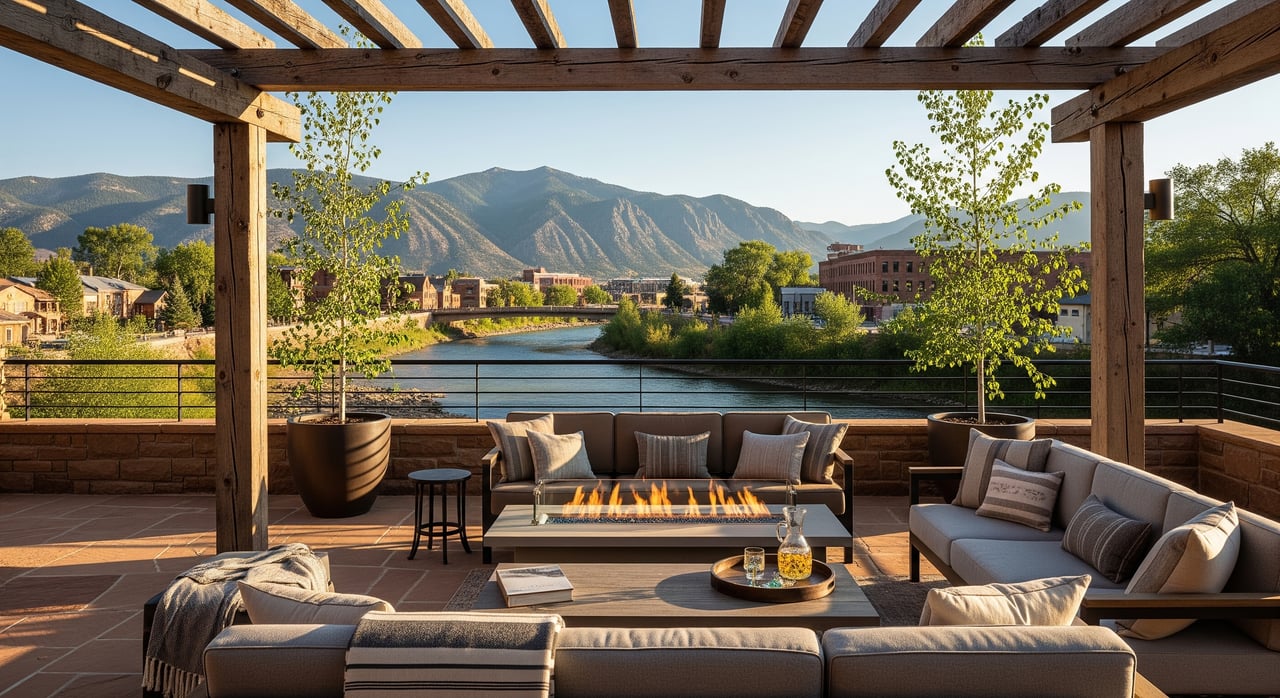
The Animas River Trail is a standout. It links downtown to nearby neighborhoods and recreation areas, and it’s ideal for walking, running, and biking. In-town parks, playgrounds, ball fields, and river access points give you easy options for fresh air.
You’ll also have straightforward day-trip access to hiking, mountain biking, rafting, and winter sports. A local ski area is typically about a 30 to 40 minute drive from town. The municipal recreation center and community programming keep four-season activity within reach.
Housing types and market feel
In the central area, you’ll see a variety of housing options:
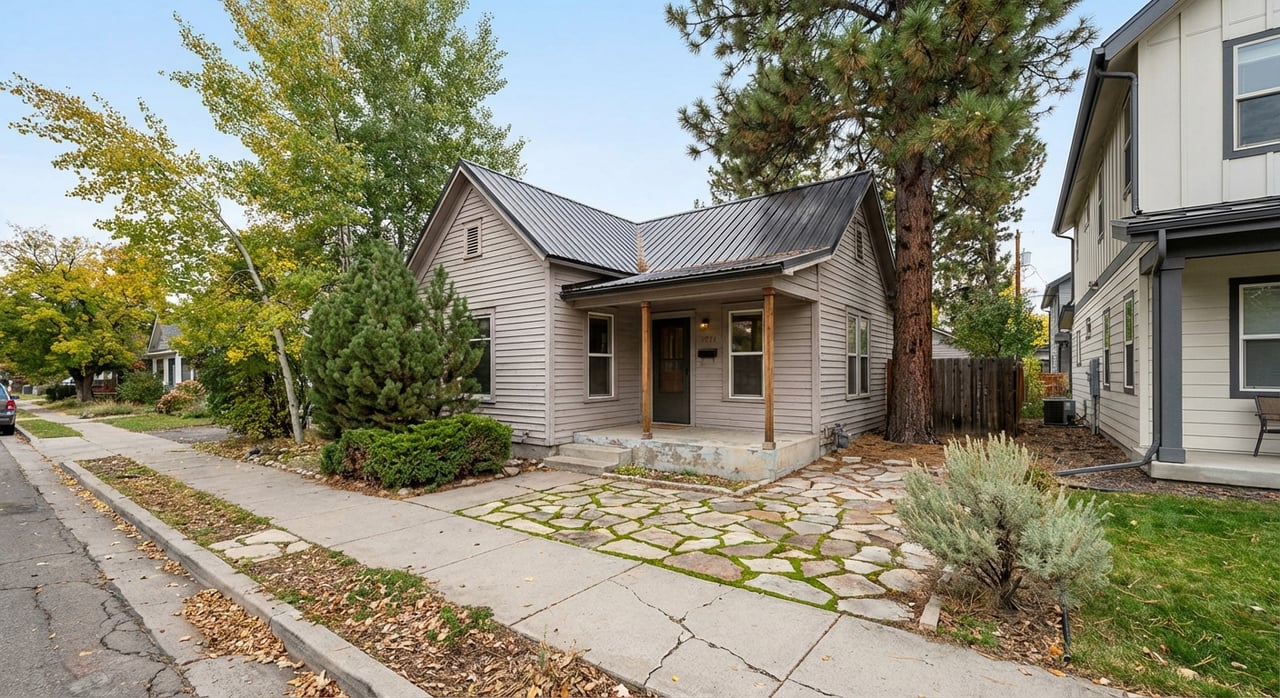
- Historic single-family homes. Early 20th-century bungalows, Craftsman styles, modest Victorian-era and vernacular houses sit on smaller lots near Main Avenue.
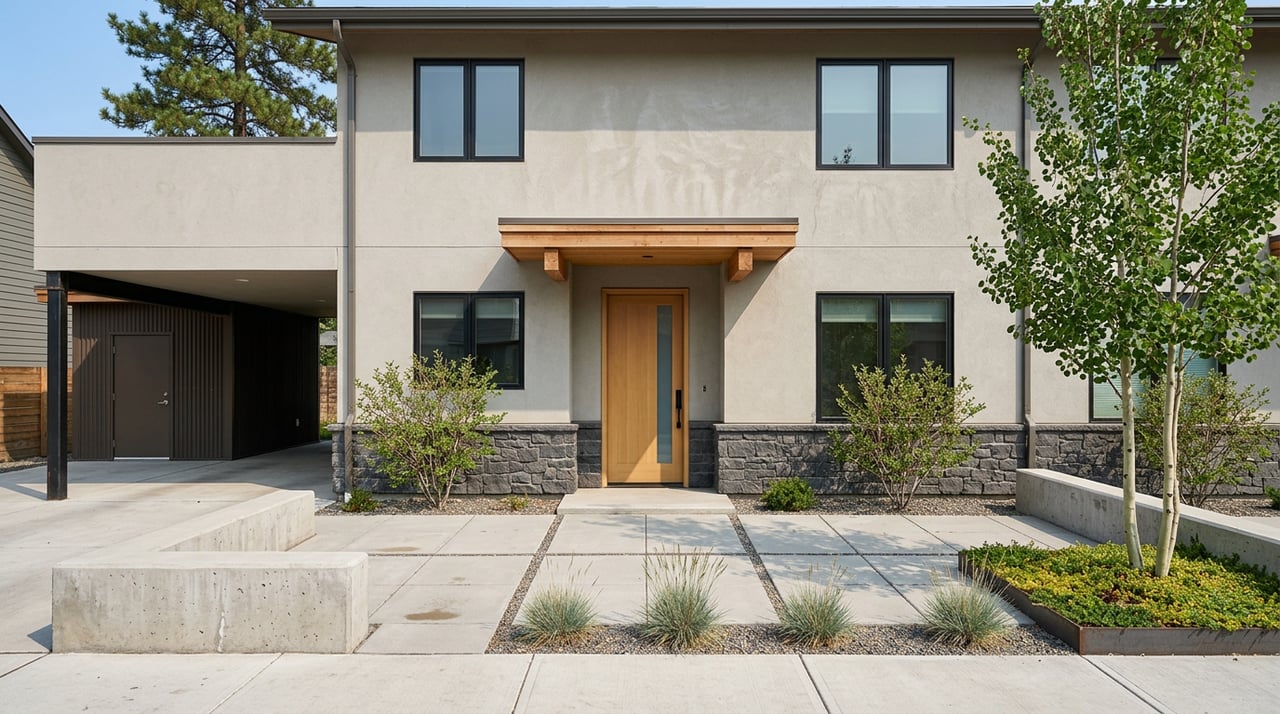
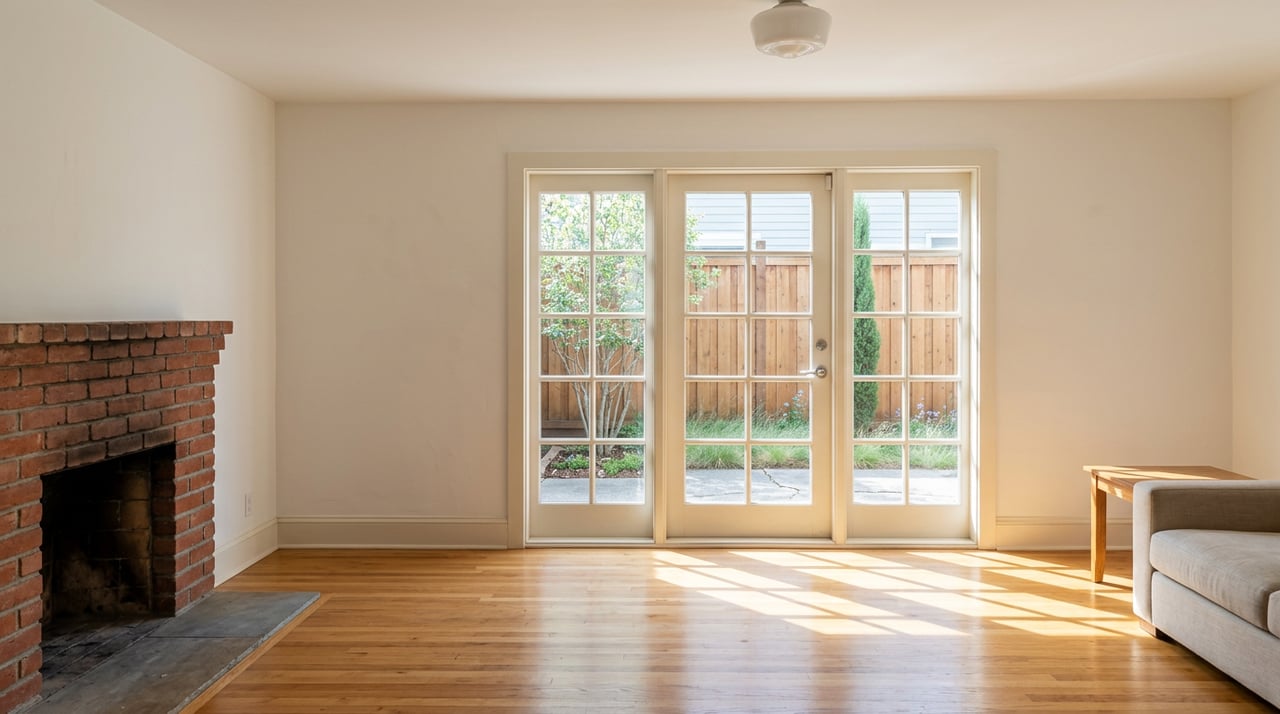
- Renovated and infill homes. Many older homes have been updated, and you’ll find limited newer single-family and townhome infill on compact footprints.
- Condos and townhomes. Multi-family buildings, condominiums, and some live-work spaces provide lower-maintenance living close to shops and restaurants.
Historically, in-town inventory has been tight due to limited land and strong lifestyle appeal. In recent years, many mountain markets saw slower price growth and longer days on market compared to earlier peaks, and Durango has followed similar trends to varying degrees. Spring and summer are typically the most active seasons, and tourism can influence demand for properties near downtown.
Buyer tips for central neighborhoods
Buying in the core has unique considerations. Use this quick checklist as you tour:
- Lot size and outdoor space. In-town lots are usually small. If you want a large yard, consider areas outside the core.
- Historic district and design review. Some properties are subject to preservation rules that shape renovations and exterior changes. Confirm requirements before making plans.
- Utilities and systems. Most central homes use municipal water and sewer. Older properties may need updates. Inspect plumbing, electrical, and heating carefully.
- Short-term rentals. STR rules change over time. Review current city and county regulations for licensing, caps, or restrictions if you plan to pursue STR use.
- Floodplain and river proximity. Homes near the Animas River may be in flood zones or subject to riparian setbacks. Review flood mapping and ask the city about requirements.
- Wildfire risk. While in-town areas tend to have lower exposure than wildland edges, you should still review wildfire maps and consider defensible-space practices.
- Ownership costs. Factor in property taxes, HOA dues for condos or townhomes, utilities, and insurance as you assess affordability.
Practical living: climate, transit, services
Durango sits at about 6,500 feet, so expect a true four-season climate. Winters bring snow and the need for heating and snow removal. Summers are warm and dry, with afternoon thunderstorms during monsoon season and strong sun.
Many in-town residents walk or bike to work, school, and errands. Commuting outside the city usually requires a car. There is regional air service nearby if you travel often, and schedules can vary by season.
You’ll find a regional hospital and clinics in town for primary and emergency care. Specialty services may require travel to larger regional centers. Internet options vary by block from DSL to cable or fiber, so it’s important to verify speeds at any specific address.
Is in-town Durango a fit for you?
You’ll likely love in-town Durango if you prioritize walkability, independent local businesses, and quick access to parks and the river trail. It’s a great match if you want a small-city lifestyle with a strong local identity and outdoor options close by.
It may feel less ideal if you want large yards, big shopping malls within steps of home, or a dense urban job center. The trade-off for convenience is smaller lot sizes and some competition for centrally located homes.
Considering a move? Let’s talk next steps
Choosing the right in-town block comes down to lifestyle, budget, and property type. I can help you weigh these factors, understand current market dynamics by product type, and surface options that match your goals. If you’re relocating, we can streamline the process with clear expectations and on-the-ground support.
When you’re ready, reach out to discuss neighborhoods, off-market opportunities, and a plan that fits your timing. Let’s make your move to in-town Durango smooth and confident with one-on-one guidance from Jeremy Deas.
FAQs
How walkable is in-town Durango for daily errands?
- Many central neighborhoods allow you to walk to coffee, casual dining, small retail, and services, with the Animas River Trail offering a key pedestrian and bike link.
What housing styles are common near Main Avenue?
- You’ll see historic bungalows and Craftsman homes, modest Victorian-era houses, renovated cottages, and a selection of condos and townhomes in very central blocks.
Are there short-term rental rules in central Durango?
- Yes. Durango and La Plata County regulate STRs through permits and caps that change over time, so you should confirm current rules with city and county sources.
What should I know about schools in the downtown area?
- Durango School District 9-R serves the city, and many central homes are close to schools. Verify boundary maps, capacity, and performance through district and state resources.
How close is outdoor recreation from the downtown core?
- The Animas River Trail runs through the area for walking and biking, and a local ski area is typically a 30 to 40 minute drive. You’ll also have day-trip access to hiking and rafting.
Are flooding or wildfire risks a concern near the Animas River?
- Some river-adjacent properties may be in flood zones or have riparian setbacks, and the region has wildfire exposure. Review floodplain and wildfire maps during due diligence.