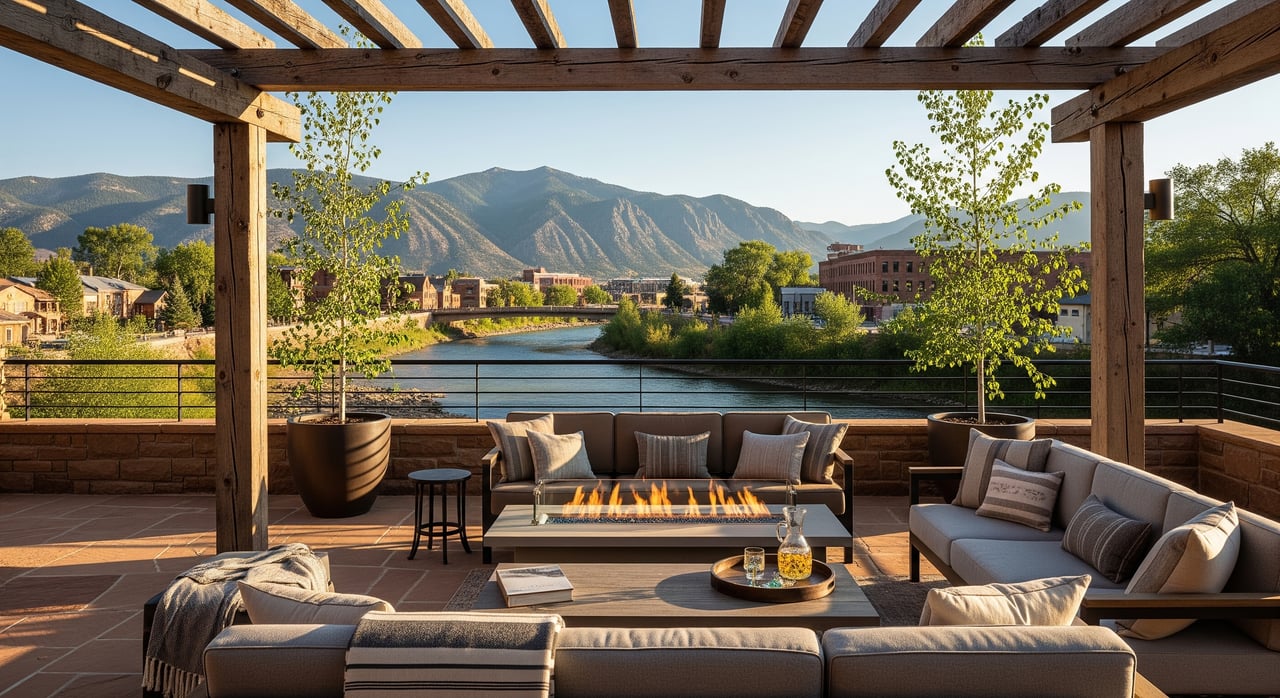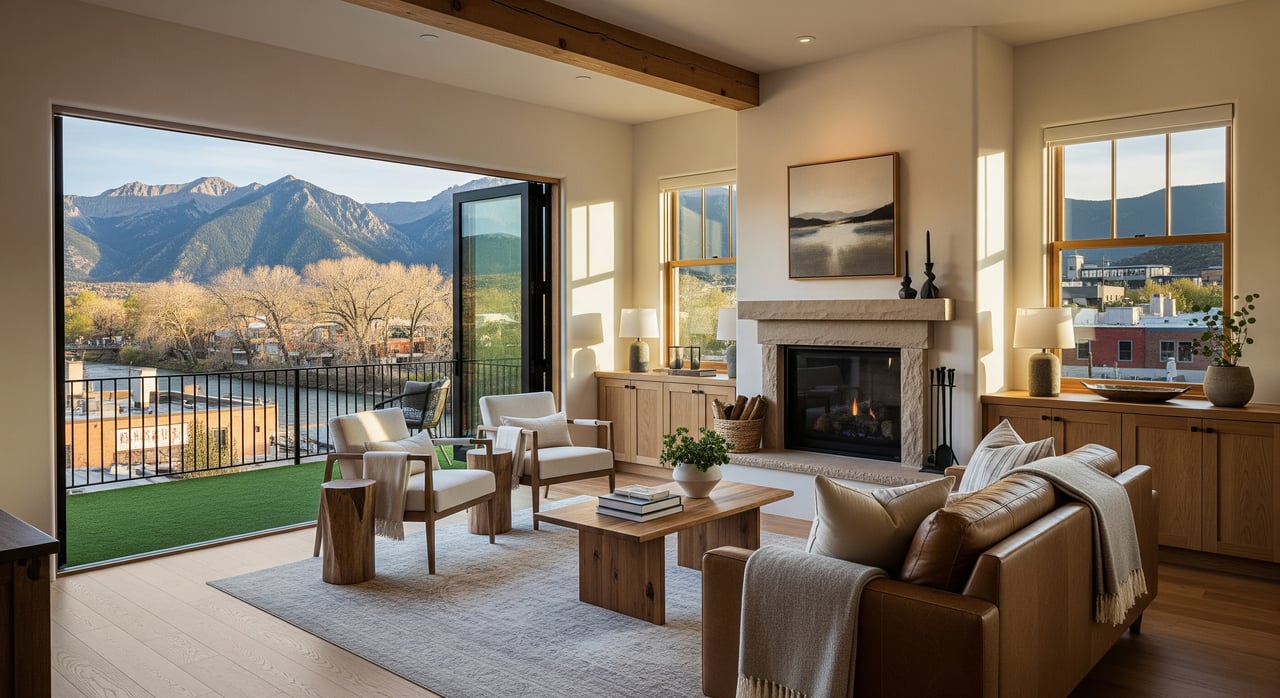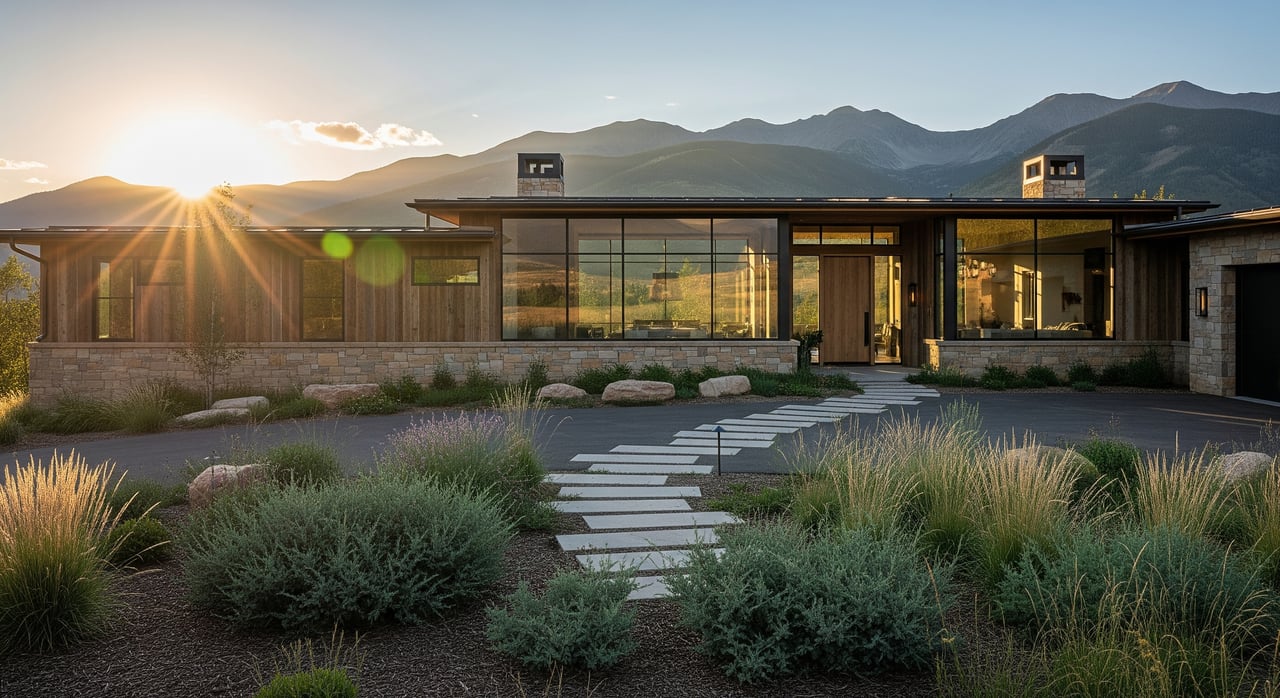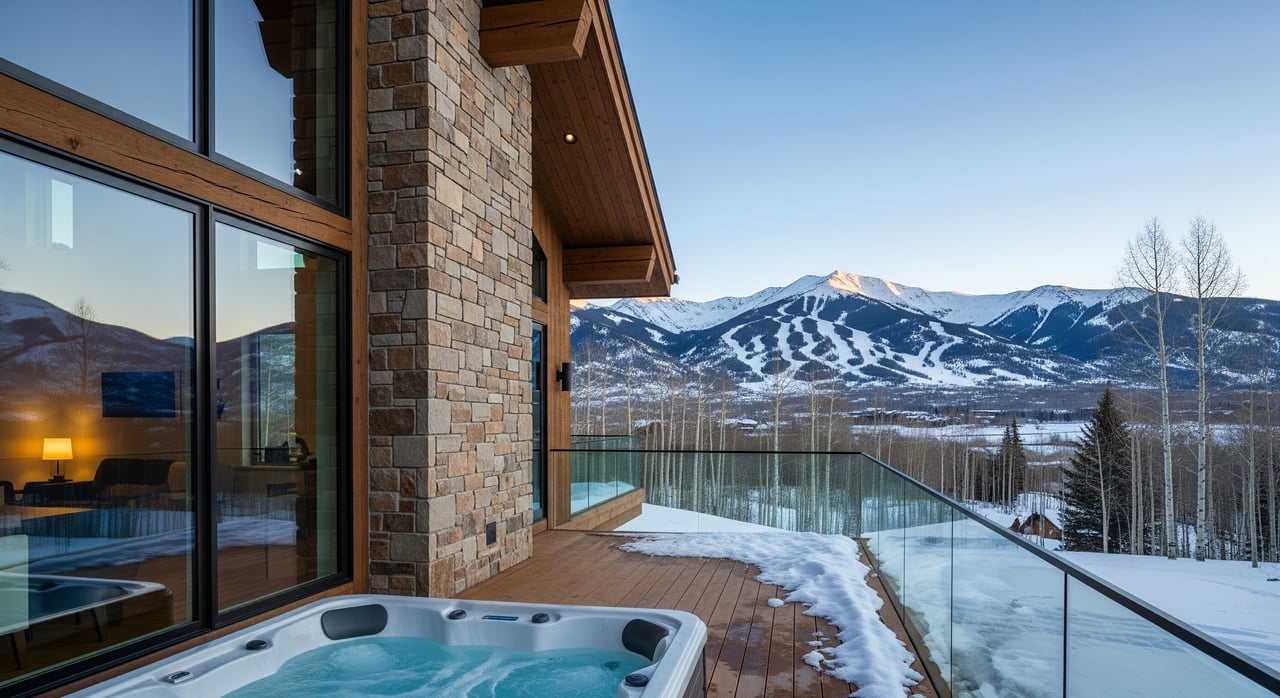
Thinking about offsetting your Purgatory-area second home with short-term rental income? You are not alone. The Durango and La Plata County market is popular with skiers and summer visitors, but the rules can feel confusing when you first start. In this guide, you will learn the basics on permits, zoning, taxes, HOA rules, and the day-to-day setup that keeps guests happy and neighbors comfortable. Let’s dive in.
How STR rules work near Purgatory
The properties around Purgatory Resort span different jurisdictions. Many homes and condos sit in unincorporated La Plata County, while others fall inside Durango city limits or another town boundary. Which rules apply to you depends on the parcel’s jurisdiction. Before you buy, confirm the exact boundary with the county assessor or planning department.
Colorado allows local governments to set their own short-term rental programs. There is no statewide STR permit. You will deal with local registration and zoning rules, plus state and local taxes handled through the appropriate tax offices. Expect active oversight, since many mountain communities have updated STR policies in the past few years.
HOA covenants can be stricter than the county or city. You will want to review subdivision CC&Rs early, because they can control whether you can rent and under what conditions.
Permits, registration, and zoning 101
Registration basics
Most resort-area jurisdictions require a short-term rental registration or permit. Typical requirements include:
- A registration number you display in your listings.
- Annual renewal and a fee.
- A local contact or responsible agent available 24/7 for complaints and emergencies.
- Proof you meet building and safety standards.
Processing can take several weeks or longer, especially if inspections are required. Plan for lead time before your first booking.
Zoning and allowed use
Zoning determines if STRs are permitted, conditionally allowed, or restricted on a given parcel. Some zones allow STRs by right, others limit them, and some prohibit them. Parking minimums, occupancy limits, and site standards may apply. In resort areas, overlay districts can add rules for noise, design, or buffers.
Owner-occupied vs. non-owner-occupied
Many programs treat a primary residence differently from a second home used mainly as a rental. Owner-occupied rentals often face fewer limits. Second homes that operate as year-round STRs may have more conditions or caps. Clarify which category fits your plan.
Taxes you should plan for
Short-term rental income typically triggers a mix of state and local taxes. Common items include:
- Transient lodging or occupancy taxes at the local level.
- County or municipal sales taxes where applicable.
- State sales and lodging taxes.
Major platforms may collect and remit some taxes automatically in certain jurisdictions, but you are responsible for making sure the right taxes are collected and paid. Set up the necessary accounts and confirm which taxes the platform handles versus what you must remit yourself.
Safety, inspections, and readiness
Life-safety equipment
Expect to install and maintain basic life-safety gear. Common requirements include:
- Working smoke and carbon monoxide detectors per code.
- A fire extinguisher and visible evacuation information.
- Clear exits and safe ingress and egress.
Some programs require an initial inspection and periodic follow-ups to verify compliance.
Septic and occupancy
If the home is on a septic system, capacity can affect your allowed occupancy. Overcrowding rules protect systems, parking, and neighborhood quality. Make sure occupancy limits and house rules align with septic capacity and local code.
Inspections and enforcement
Many mountain communities run complaint hotlines and enforce quiet hours. Violations can lead to fines, escalating penalties for repeat issues, and even permit revocation. Quick response to noise, parking, and trash concerns helps avoid enforcement.
Common restrictions around ski areas
Occupancy and quiet hours
You will often see guest limits based on bedrooms or square footage. Quiet hours are common, such as overnight periods when outdoor noise is limited. Event and party restrictions are typical and should be spelled out in your house rules and listings.
Parking and winter access
Expect off-street parking minimums, along with rules for snow season. Winter operations may prohibit street parking, require snow storage plans, and hold owners or managers responsible for timely snow removal.
Local contact and response
Many programs require a local contact who can respond to complaints within a set time, often within 30 to 60 minutes. If you are remote, arrange a responsive local partner to avoid violations and keep guests safe in winter conditions.
HOA rules can override everything
HOA covenants, conditions, and restrictions can be more restrictive than county code. They may ban STRs, set minimum stay lengths, cap the number of rentals, or require registration with the association. These covenants survive a sale. Review them during escrow and talk to the HOA manager to confirm the current policy and any approval steps.
Operations playbook for a smooth STR
Choose a management model
You have three common options:
- Owner-managed. You handle bookings, guest communication, cleaning, and issues. This lowers management costs, but it is time intensive and can be tough if you live far away.
- Local co-host or part-time manager. A local partner coordinates cleaning, check-in, and complaints for a fixed fee or revenue share.
- Professional property manager. Full-service firms handle marketing, pricing, inquiries, cleaning, maintenance, and compliance. They usually provide 24/7 support and act as your local contact.
Pick the model that matches your availability, skill set, and budget.
Budget for fees and costs
Beyond platform fees, plan for:
- Management fees if you hire a company or co-host.
- Cleaning, linens, and seasonal deep cleans.
- Maintenance, utilities, and snow removal.
- HOA dues where applicable.
- Permit and registration fees.
- Local and state tax remittance.
- Listing photography and guest supplies.
- Insurance premiums suited to STR use.
- A reserve for replacements and repairs.
Service standards winter guests expect
Resort-area guests often expect reliable snow removal, clear access details, and quick resolution of issues. Amenities like strong Wi‑Fi, hot tub maintenance, and secure ski storage can boost reviews. Timely, friendly communication helps prevent complaints that lead to enforcement.
Systems you need
Dial in a few core systems before launch:
- A dynamic pricing tool or a manager who adjusts rates for ski season and summer peaks.
- A reliable cleaning team with winter readiness for de-icing and snow shoveling.
- Local trades for emergencies, such as plumbing, electrical, HVAC, and snow removal.
- Clear guest messaging, including house rules, parking diagrams, trash and recycling, wildfire guidance, and emergency contacts.
Buyer due diligence checklist
Before you buy a Purgatory-area property, confirm the following:
- Parcel jurisdiction and which rules apply: La Plata County or inside a town boundary.
- HOA covenants and any rental restrictions.
- Zoning for the parcel and whether STR is allowed or conditional.
- History of STR registration, tax remittance, and any complaints for the property.
- Septic capacity, sewer availability, and water access where relevant.
- Off-street parking capacity that meets local code.
- Winter access and road maintenance responsibilities.
- Insurance coverage for STR use, since standard homeowner policies may exclude it.
- Conservative income and expense estimates based on seasonal occupancy, nightly rates, management fees, taxes, and reserves.
Launch timeline and expectations
Build a realistic timeline. Registration and inspections can take weeks to a few months depending on the jurisdiction and season. If your HOA requires approvals or board action, the process can take longer. Start early on safety upgrades, local contact arrangements, and tax account setup so your first bookings do not slip.
Pro tips to avoid complaints
- Post simple, clear house rules in your listing and inside the home.
- Provide a parking map and snow-season instructions with every check-in message.
- Install outdoor noise monitoring that respects privacy but alerts you to issues before neighbors need to call.
- Use bear-resistant trash containers and set clear pickup schedules.
- Set realistic occupancy and never oversell sleeping capacity.
- Keep your local contact number front and center for fast resolution.
If you want a straight, local read on feasibility before you write an offer, reach out. As a neighbor who helps buyers and second-home owners every week, I can help you evaluate jurisdiction, HOA fit, and operating costs for specific addresses. For a calm, clear plan from search to setup, connect with Jeremy Deas.
FAQs
Can I operate a short-term rental near Purgatory?
- Possibly. It depends on whether the parcel is in unincorporated La Plata County or inside a town boundary, the zoning for that parcel, and any HOA rules.
Do I need a permit for a Durango-area vacation rental?
- Many properties require STR registration or a permit, plus a local contact and proof of safety compliance. Check the local program that applies to your exact parcel.
What taxes apply to STR income in La Plata County?
- Expect transient lodging and sales taxes at the local level, plus state sales and lodging taxes. Confirm which taxes platforms collect and which you must remit.
Are there caps or moratoria on STRs near ski areas?
- Some resort communities use caps or zone-based limits. Check current rules for your parcel’s jurisdiction and confirm if any caps or moratoria are in effect.
What insurance do I need for an STR in Colorado?
- Many standard homeowner policies exclude short-term rental use. Secure a policy that specifically covers STR or commercial lodging exposure.
How soon after closing can I start renting a Purgatory-area home?
- Plan on weeks to a few months after closing, depending on registration timelines, inspections, HOA approvals, and setup of your operations and tax accounts.