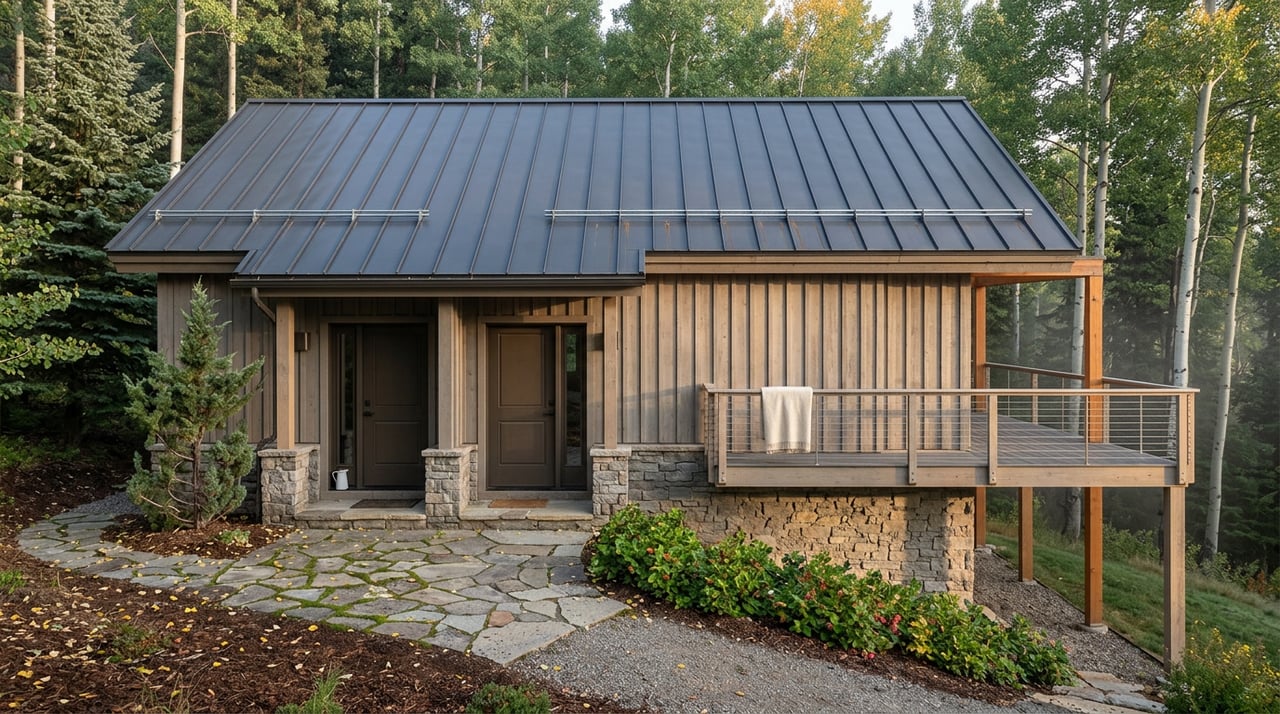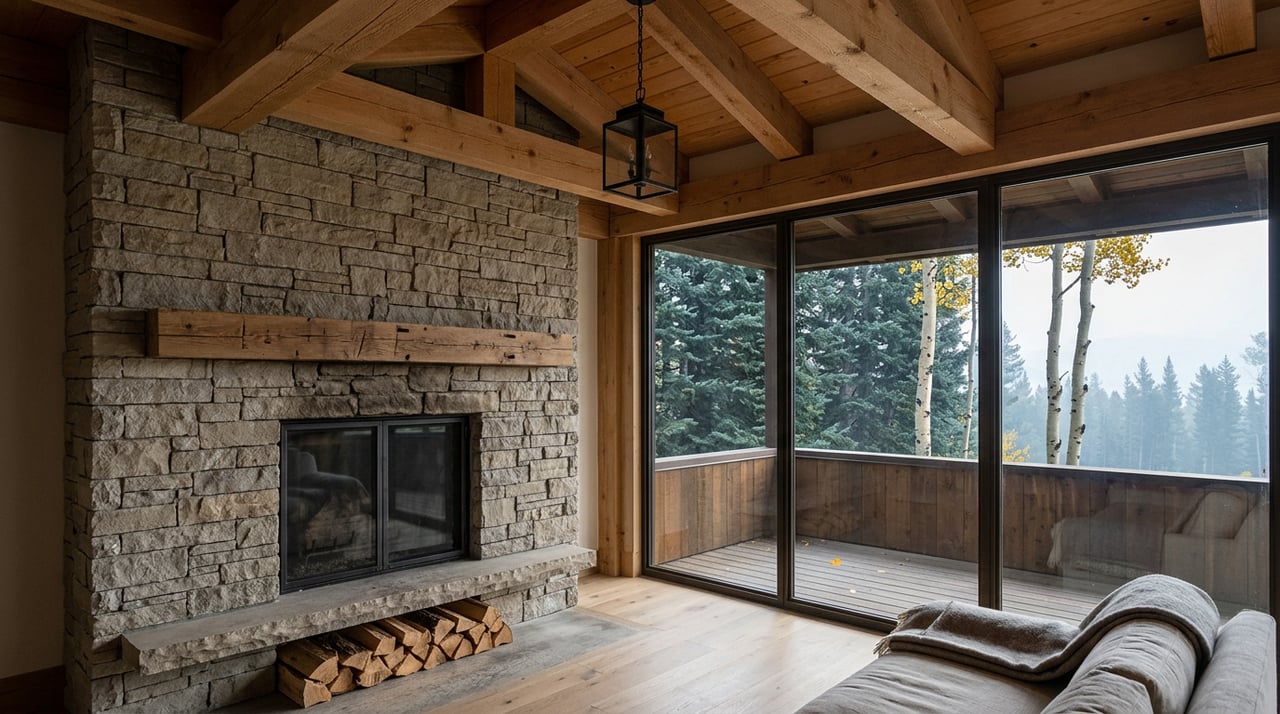
Drive up the highway to the Purgatory base area this month and the aspens along the access road are just starting to turn, right on schedule. The lifts are quiet, the parking lots are half full of mountain bikers instead of skiers, and if you scroll the listings for condos and townhomes in the same footprint, you'll notice something that doesn't match the postcard. Prices are softer than they were a year ago. Units are sitting. As of the August 2026 market report for the Purgatory Resort area, condo and townhome inventory sits at roughly 15 months of supply, meaning at the current sales pace it would take well over a year to sell everything currently listed if nothing new came on the market.
Single-family homes in that same Purgatory footprint carry an even higher supply number this August, close to 17 months. But the story behind that number is different. As of June 2026, single-family sales in the Purgatory Resort market were running about 80 percent ahead of the same month a year earlier. That inventory is piling up because builders and sellers are listing faster than usual, not because buyers stopped showing up. Condos are a different animal. Their supply has held near 15 months for two months running, and the reason isn't a lack of interest in the mountain. It's the loan.
The Building Type Nobody Puts on the Flyer
Not every condo at Purgatory is financed the same way, and the difference matters more this year than it has in a decade. Purgatory Village at Durango Mountain Resort, one of the base area's most recognizable condo communities, is classified for lending purposes as a condominium hotel rather than a standard residential condo. That classification isn't a technicality. It means those units have never qualified for a conventional 30-year mortgage, regardless of the buyer's credit score or down payment size. Financing a unit there runs through Non-QM or DSCR lenders instead, typically with 25 to 30 percent down and interest rates roughly half a point to a full point above what a conventional buyer would pay on a standard condo down the road.
That's been true for years and isn't new information on its own. What's new is that the rest of the Purgatory condo stock, from Twilight Condos and Silverpick Village right at the base to Purgatory Lodge and Tamarron a few minutes down the road, is now facing a version of the same financing squeeze that Purgatory Village has always lived with. The mechanism is a federal rule change that took effect this year, and most buyers shopping the resort market haven't heard of it yet.
The Rule That Changed Mid-2026
On March 18, 2026, Fannie Mae and Freddie Mac issued coordinated updates, known jointly as Lender Letter LL-2026-03, that rewrote how conventional lenders evaluate condo buildings before approving a mortgage. Two dates in that letter matter to anyone shopping a Purgatory condo right now:
- Starting August 3, 2026, the streamlined "Limited Review" process that many condo purchases used to skip through is retired. Every conventional loan now requires a Full Review, meaning the lender collects years of HOA financial statements, meeting minutes, insurance certificates, and reserve studies before closing.
- By January 4, 2027, every association's annual budget has to allocate at least 15 percent to reserves, up from the 10 percent floor that's been standard for years. Associations that rely on a reserve study now have to fund at the study's highest recommended level, not just a baseline that keeps the account from hitting zero.
There's a per-unit insurance detail too. For loan applications dated on or after July 1, 2026, a condo building's master insurance policy can't carry a per-unit deductible above $50,000 or the project loses its conventional eligibility outright.
Not every change in the rule package cuts against buyers. Smaller associations, ten units or fewer, now qualify for a waiver of the full project review that larger buildings can't get, and the same package allows cheaper actual-cash-value roof coverage instead of full replacement cost, which can ease some HOA insurance premiums. The rule isn't uniformly harder. It's harder specifically for buildings that were already running lean.
Why This Lands Differently at a Ski Base Area
Here's the part that turns a national lending memo into a Purgatory story. A condo association where most owners live in the unit year-round and vote to keep dues low tends to underfund its reserve account, because nobody's pushing hard for a bigger cushion against a roof replacement that feels years away. A condo association at a ski base area, where most owners are second-home buyers who place their unit into a rental pool for the months they're not using it, often runs the same way for a different reason. Dues get set to cover the operating budget and the amenities that make the rental pool attractive, and the reserve line is the easiest place to trim.
That's not a knock on any specific building at Purgatory. It's the general pattern condo-lending guides describe when they explain why underfunded reserves are more common in investor-heavy, rental-pool-heavy buildings than in owner-occupied ones. Most Purgatory condos fit that description by design. Owning a piece of the mountain and renting it out when you're not there is the whole point for a lot of buyers up there, and La Plata County's own lodging tax rules, which require anyone renting a unit outside city limits for less than 30 days to collect and remit the state sales tax, county sales tax, and county lodging tax, only make sense in a market built around exactly that kind of ownership.
Put the two pieces together and the mechanism becomes clear. A building type built around second-home rental income is more likely to walk into 2026 with a reserve account below the new 15 percent floor. A building below that floor now faces a mandatory Full Review it may not be documented for, or a reserve hike or special assessment it hasn't planned for. Either outcome shrinks the number of buyers who can get a conventional loan on that unit, which shrinks the buyer pool to cash buyers and Non-QM borrowers willing to accept a bigger down payment and a higher rate.
A smaller buyer pool doesn't lower demand for the mountain. It lowers what a seller can realistically ask, because the buyers left standing are the ones with the least room to stretch on price.
What the Same Money Buys, Building by Building
| Building type | Typical financing path | Down payment | Rate vs. conventional | What drives it |
|---|---|---|---|---|
| Condo-hotel (e.g., Purgatory Village) | Non-QM / DSCR | 25-30% | +0.5 to 1.0 pts | Structural classification, unrelated to HOA finances |
| Standard condo, reserves at or above 15% | Conventional | As low as 10% | Standard rate | Passes Full Review cleanly |
| Standard condo, reserves below 15% or undocumented | Portfolio or Non-QM | 20-30% | +1 to 2 pts | Fails Full Review or reserve floor |
The building in the middle row is the one worth chasing if you're financing conventionally. The problem is that you can't tell which row a given listing falls into just by looking at the price sheet or the photos. You have to ask.
What This Means If You're Comparing Purgatory to Elsewhere in the County
If you're weighing a Purgatory condo against, say, an in-town Durango townhome or a resale in Three Springs, the comparison isn't just square footage and HOA dues anymore. It's whether the building you're looking at has already cleared a Full Review, what its current reserve percentage actually is, and what its master policy deductible looks like against the new $50,000 cap. Two condos with identical layouts and nearly identical asking prices can require completely different loans, down payments, and timelines depending on how their HOA has handled its books.
That difference is also a big part of why single-family closings at Purgatory have kept pace with a wave of new listings while condo closings haven't. A single-family home doesn't carry an HOA reserve study, a master insurance policy, or a Fannie Mae project review. The financing friction that's slowing condo closings simply doesn't apply.
None of this means a Purgatory condo is a bad buy. For a cash buyer, or someone already planning on a portfolio loan, the current pricing may be the best entry point the base area has offered in years. For someone counting on a standard 10 percent down conventional mortgage, the discount on paper can turn into a much smaller discount, or none at all, once the loan terms are priced in.
Before you write an offer on any Purgatory condo, ask the seller or listing agent for three things: the HOA's most recent reserve study and current funding percentage, confirmation of whether the building has completed a Full Review in the past twelve months, and the per-unit deductible on the master insurance policy. Then run those numbers past your lender before you fall for the view.
A Few Direct Questions
Does this rule change affect single-family homes at Purgatory too? No. Lender Letter LL-2026-03 applies only to condo and co-op financing. That's a meaningful part of why single-family sales in the same market are climbing while condo inventory sits.
Is every condo at Purgatory non-warrantable now? No. Only Purgatory Village carries the condo-hotel classification that has always required non-conventional financing. Other buildings in the wider Purgatory market, including Twilight Condos, Silverpick Village, Purgatory Lodge, and Tamarron a few minutes south, are standard condominiums whose warrantability now depends on each association's individual reserve funding and review status, which can and does vary building to building.
I already own a Purgatory condo. Should I worry about this? It's worth asking your association's board where the reserve study stands ahead of the January 4, 2027 deadline, since that answer will shape both your future dues and how easily a future buyer can finance a purchase from you.
Buying at Purgatory has always meant reading the mountain. This year it means reading the HOA file first. If you're weighing a condo up there against something in town or in Three Springs and want a straight answer on what a specific building's financing situation actually looks like, SWCO Home Sales can help you pull the right documents before you write an offer, not after.