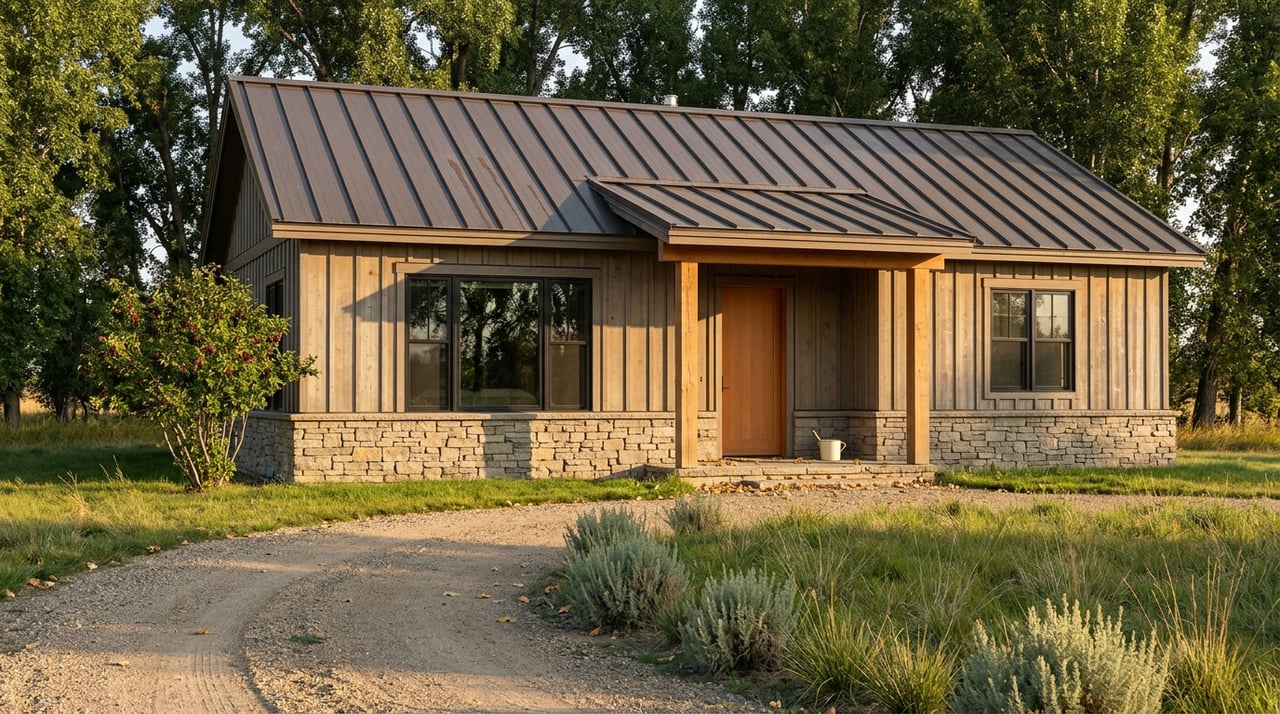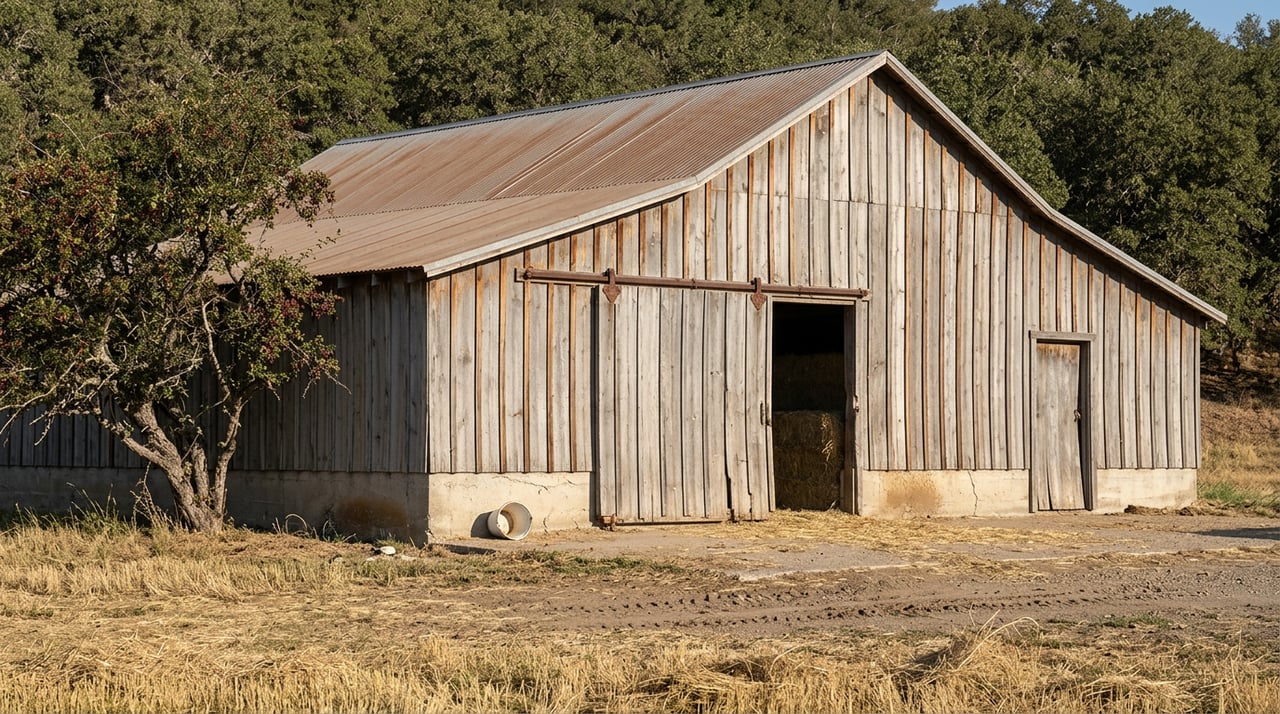
Randy Wilson found out the hard way what a few days of grazing sheep can be worth. His property, a 186-acre parcel known as Vista Pacifica and split into 20 residential lots about ten miles south of Durango, had carried agricultural tax status for years. The La Plata County Assessor's Office decided that status no longer fit reality, since only two of the twenty lots had homes on them and the rest sat vacant except for a herd of 1,387 sheep that grazed there for three days in 2018. The county moved to delist the property. Wilson fought it at the state Board of Assessment Appeals and won a ruling that restored agricultural classification for tax year 2019, on the strength of evidence that the land had a working pasture, shop buildings, fuel tanks, fencing and an irrigation ditch in active use. The number that made the fight worth having: agricultural status kept his tax bill around $2,500 a year. Losing it would have pushed the bill to roughly $8,100.
Wilson's parcel isn't in the Animas Valley itself, but the office that ruled on it is the same office that classifies every acre north of town, and the statute it enforces doesn't change by zip code. The same rules and the same math apply to the ranchettes, hay meadows and river-bottom acreage that make the Animas Valley what it is.
The Number That Doesn't Show Up in the Listing
A listing price tells you what a seller wants for the dirt and the house. It tells you nothing about how the county has classified the land for tax purposes, or whether that classification is about to move. Agricultural land in La Plata County is valued on what it produces, not on what it would fetch on the open market, which is why the gap between an ag-classified parcel and the same acreage assessed as ordinary residential land can be enormous. Buyers who assume the seller's tax bill simply carries over with the deed are skipping the one line item most likely to move after closing.
State law requires the county assessor to re-verify agricultural use every time a property changes ownership. That's not a formality tucked into a title company's checklist. It's the trigger. A 2019 Colorado Open Records Act request by the Durango Herald found that nearly 30 properties valued between $250,000 and $2.8 million had lost their ag status over the preceding three years, and the pattern hasn't gone away. As of a 2024 accounting, La Plata County carried roughly 10,000 parcels with agricultural classification, and the assessor's office reported that every two-year valuation cycle knocks 50 to 100 of them off the list.
"That's why we actively work really hard to make sure it's not happening," Woodson has said of properties that claim the break without a genuine agricultural operation behind it. Her office isn't looking for a reason to raise revenue. It's trying to keep the break available to people who actually farm or ranch the land, which means anyone buying acreage inherits that scrutiny the moment the deed records.
What Actually Resets the Classification
A handful of specific events can flip a parcel from ag-rate taxation to full market-value assessment, and none of them require bad intent.
- Change of ownership. The assessor is statutorily required to re-verify use whenever a property sells, whether or not the new owner plans to change anything.
- A lapse in qualifying use. Freezer meat and backyard vegetable gardens don't count, no matter how much produce changes hands. Horses only qualify if they're bred and sold for profit, used as working ranch stock, or tied to an outfitting business.
- Non-owner participation. A state law tightened after a Durango Ridge Ranch situation west of Durango, where subdivision homeowners around 2012 claimed ag status because a local rancher's cattle happened to graze their lots, now requires the property owner to actually take part in the agricultural operation, not simply host someone else's livestock.
- Water rights that stop delivering. Because production capacity is part of the valuation formula, a ditch that goes dry or a right that lapses changes what the land can produce, and what it can produce is what sets the ag value.
The Timeline Nobody Budgets For
Losing the classification can happen at the next valuation cycle. Getting it back takes longer than most buyers expect. A parcel needs one full year of documented qualifying use to be classified as agricultural if it carries adjudicated water rights, and three consecutive years if it doesn't. If you buy a place planning to eventually run a small hay operation or lease pasture to a neighbor, you're not looking at a tax adjustment next spring. You're looking at a multi-year runway before the county will even consider the lower rate, and in the meantime you're carrying the full residential assessment.
Here's the comparison that made Wilson's fight worth having, laid out simply:
| Classification | Annual Property Tax (approx.) |
|---|---|
| Agricultural status upheld | ~$2,500 |
| Agricultural status removed | ~$8,100 |
That's a single documented case, not a countywide average, but it's the clearest illustration available of how much daylight exists between the two outcomes on the same acreage.
Why This Matters More in the Animas Valley Than in Most of the County
The valley north of town, home to Dalton Ranch Golf Club, Trimble Crossing, Estancia, The Ranch, Blue Sky Ranch, Red Rock Ranch and The Cove, is sometimes called Southwest Colorado's Gold Coast for the string of prestige home sites backed against national forest land. It's also a valley built on working agricultural ground. Woodson has noted that entire subdivisions across the county carry ag classification simply because the land was farmed before it was platted, and that classification tends to erode once homeowners build and decide they'd rather not have cattle in the yard. A listing with open fields near James Ranch or river frontage along Highway 550 might carry a decades-old ag classification that has nothing to do with what the current owner has actually been doing with the land.
Meanwhile, in the assessment cycle that set 2023 tax bills, the countywide value of agricultural land actually fell by roughly 10%, according to Woodson, even as home values across the county were climbing. That's the part buyers miss. Rising home prices don't pull agricultural-classified acreage along for the ride, because the two are valued on entirely different logic. They stay on separate tracks right up until the classification flips, at which point the parcel jumps straight onto the residential track at full market value.
What to Ask Before You Write an Offer
If you're looking at acreage with an existing ag classification, a few questions before you sign protect you from a surprise valuation notice down the road.
- Ask the seller for the documentation behind the classification: Schedule F filings, receipts from product sales, lease agreements, or grazing contracts.
- Ask when the property was last field-verified by the assessor's office, and whether the seller has received any recent request for updated information.
- Ask whether water rights tied to the parcel are adjudicated and currently in delivery, since that status affects both the ag valuation and how quickly a lapsed classification could be restored.
- Ask what the seller's actual, ongoing participation in the operation has looked like, not just what's grazing on the land or who owns the animals.
A Few Direct Questions
Does buying a home on ag-classified land automatically end the classification? Not automatically, but it triggers a review. The assessor is required to verify use at every change of ownership, so a genuine continuation of the existing operation is what preserves the status, not the transfer itself.
Can a new owner reapply after losing the classification? Yes, through the county's Application for Agricultural Classification of Lands, but the one-year or three-year qualifying period applies before the lower rate takes effect.
Does this only affect large ranches? No. The same rules apply to smaller acreage parcels within Animas Valley subdivisions that were historically farmed before being platted, which is why buyers of the last unbuilt lot in an older community should ask the same questions as buyers of a working ranch.
If you're evaluating acreage in the Animas Valley and want to know what's actually behind the tax line on a specific listing, that's exactly the kind of question Jeremy Deas digs into before you write an offer, not after you get the valuation notice. Reach out for a straight read on the property and a free home valuation before you make your next move.